Yehliu Geopark: Tickets, Hours, Fines And The Queen's Head
Yehliu Geopark is the stretch of mushroom rocks and honeycomb weathering on a cape west of Keelung, and its most famous formation is shrinking by about a centimetre a year. Here are the real ticket prices, the hours, the fines, and the measurement record that explains why people go now rather than later.
Short answer
Yehliu Geopark charges NT$120 per adult, NT$60 concession and NT$96 for groups of 30 or more, and is open 08:00 to 17:00, extending to 18:00 in summer, with last entry at the closing hour. The Queen's Head's neck measured 116.59 cm in October 2024, down about 1 cm a year since 1994.
What Is Yehliu Geopark And Why Do People Go?
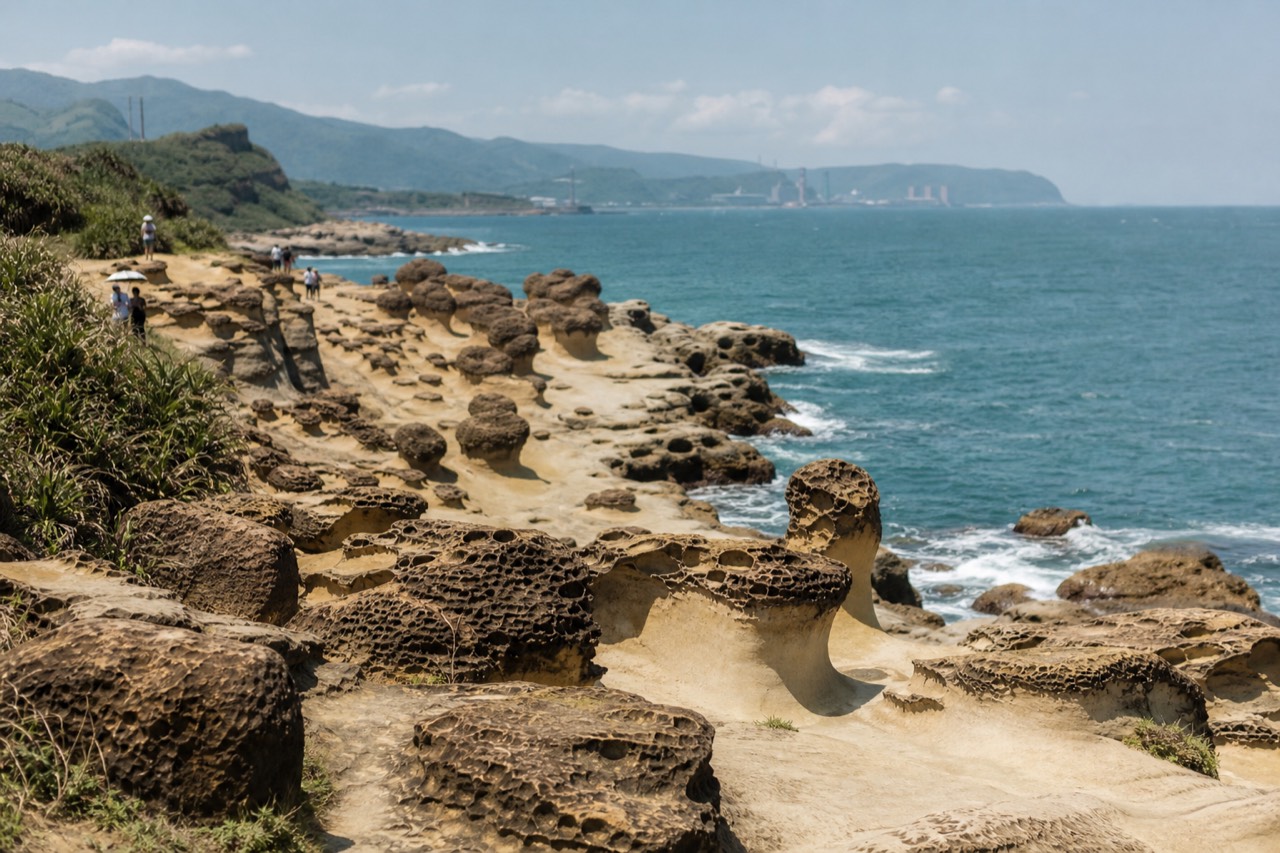
Yehliu Geopark is a protected headland on Taiwan's north coast, about an hour's drive from Taipei, where a long sandstone cape has been carved by wind and salt into mushroom rocks, honeycomb weathering pits, ginger rocks and the famous Queen's Head, a formation whose slender neck is thinning year by year and whose future nobody, including the administration that measures it, can forecast.
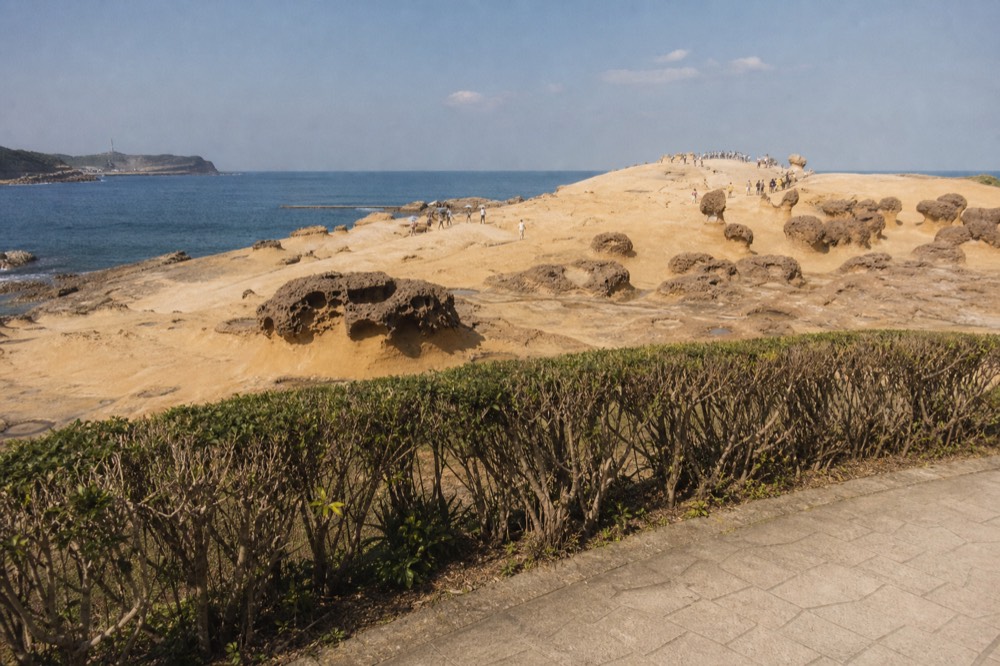
The cape pushes out into the East China Sea between Keelung and the Jinshan coast, and its shape, long, narrow and slightly hooked, is what concentrates the weathering. The rock is sandstone laid down in layers that vary in hardness. Where a harder cap sits on a softer stem, the sea and wind undercut the base and leave a mushroom. Where the surface weathers unevenly, you get the pitted, honeycombed panels that cover whole slabs of the headland. The park's own ticket page, which is also the source for every price and rule below, is at the official Yehliu Geopark ticket page.
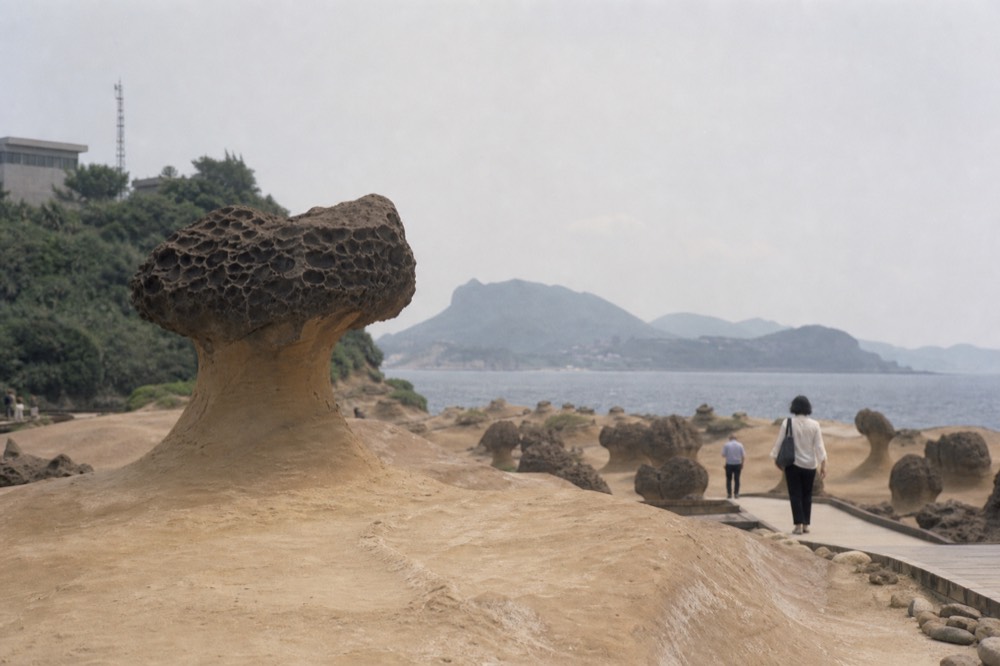
What surprises most first-time visitors is the scale of the rock field rather than any single formation. The Queen's Head gets the photographs, but the second and third terrace are full of unnamed shapes, sea-eroded platforms and potholes, and the walk out along the cape ends at a viewpoint over the water on three sides. Go for the geology and the shoreline, not just the one icon.
The park sits inside the North Coast and Guanyinshan National Scenic Area Administration, the same body that measures the Queen's Head every year. That administrative detail matters more than it sounds: the measurement record, the fines and the ticket rules all come from one accountable authority, which is why this page can quote them with confidence rather than repeating blog folklore.
How Much Are Yehliu Geopark Tickets And What Are The Hours?
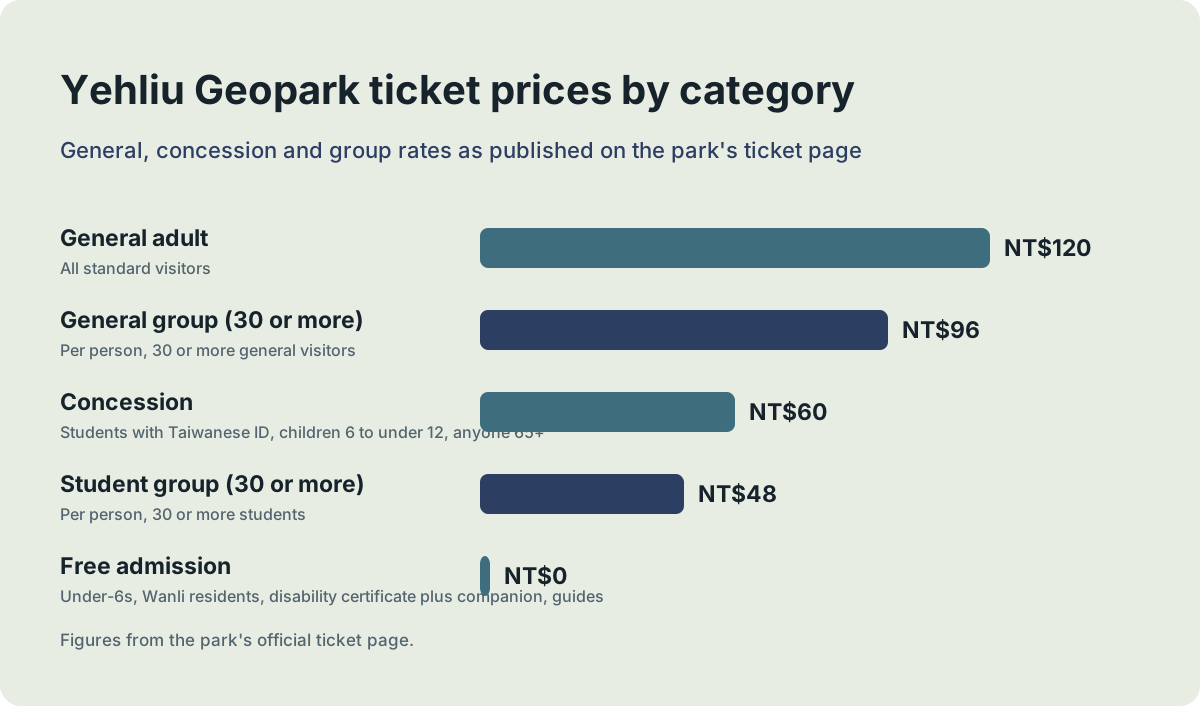
Entry costs NT$120 for a general adult, NT$60 for a concession ticket and NT$96 per person for a general group of 30 or more, with free admission for under-6s and several other categories. The park opens 08:00 to 17:00 year-round and 08:00 to 18:00 in summer, and, unusually, last entry is at the closing hour itself, not an hour before it.
Those figures come straight from the park's own ticket page. The concession ticket covers students with a Taiwanese student ID, children 6 to under 12, and anyone aged 65 or over of any nationality. Student groups of 30 or more pay NT$48 each. Under-6s enter free, as do Wanli District residents with ID, disability certificate holders plus one companion or carer, licensed guides and tour leaders with credentials, volunteer honour card holders, and people on official duty.
| Ticket type | Price | Who it covers |
|---|---|---|
| General adult | NT$120 | All standard visitors |
| Concession | NT$60 | Students with Taiwanese ID, children 6 to under 12, anyone 65+ |
| General group | NT$96 | 30 or more general visitors |
| Student group | NT$48 | 30 or more students with Taiwanese student ID |
| Free | NT$0 | Under-6s, Wanli residents, disability certificate plus companion, licensed guides, volunteer honour card holders |
One detail catches group bookings out: students and over-65s must be counted separately to reach the 30-person threshold. A mixed party of 20 adults and 12 seniors does not automatically qualify as a group of 32. International Student Identity Card holders get the concession price but are excluded from the group discount, so a school party from abroad pays concession rather than group rates.
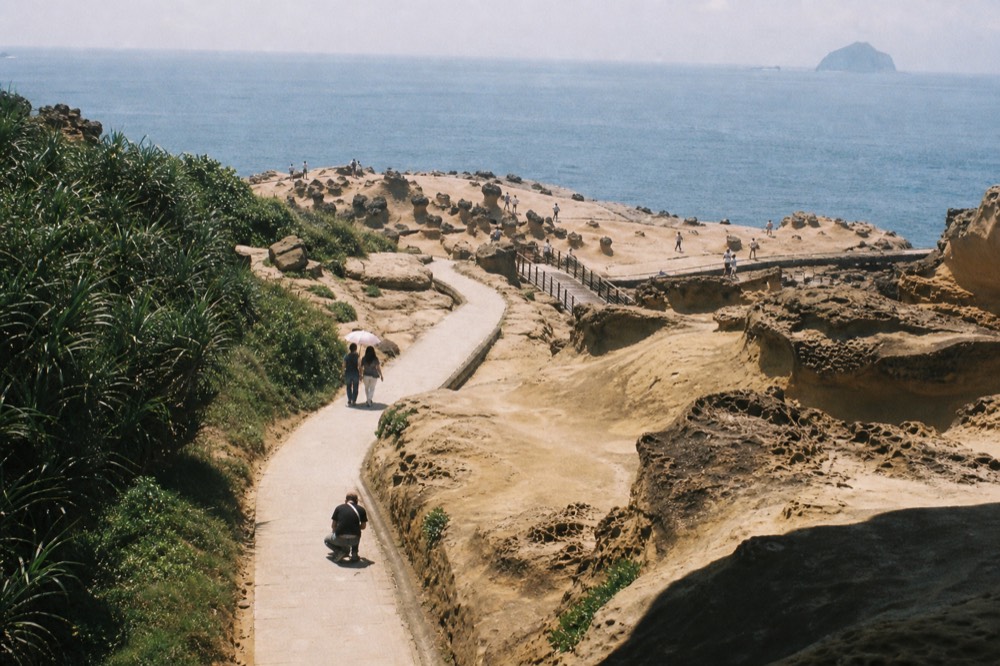
The hours deserve a second read. Most parks sell their last ticket well before closing. Yehliu sells and admits right up to 17:00, or 18:00 in summer. The official page says "summer" without publishing a date range, so treat the extended hours as seasonal and check before you go, but the principle stands: an afternoon arrival is not wasted. The flip side is that the rock field is fully exposed, there is almost no shade on the cape itself, and a late-afternoon visit in the warmer months is far more comfortable than a midday one.
If you would rather have someone else handle the drive and the timing, a tour that covers the cape and Jiufen in one day is the most common way visitors do both, and the strongest two-stop option on this site is below.
What Are The Rules And The Fines At Yehliu?
The rules are strict and the fines are startling: climbing on or damaging the rock formations carries a fine of up to NT$500,000 plus restoration costs, and up to NT$5,000,000 more if the damage cannot be repaired. Flying a drone runs NT$300,000 to NT$1,500,000, and littering or crossing the safety line runs NT$5,000 to NT$1,000,000, all published on the park's own page.
The headline numbers sound almost theatrical until you read the statutes behind them. The rock-damage fine sits under Article 62 of the Tourism Development Act. The drone fine, for a park that is a declared no-fly zone, sits under the Civil Aviation Act. Only government bodies, schools and legal persons on official business may apply to fly, and a visitor with a holiday drone has no route to permission. The littering and safety-line fine sits under Article 64 of the same tourism act, and covers spitting, burning waste, loud noise, damaging plants, and collecting rocks, shells, fossils, coral or hermit crabs. Taking a pebble home is not a harmless souvenir here, it is an offence with a published penalty range.
| Offence | Fine | Legal basis |
|---|---|---|
| Smoking in the park | NT$2,000 to NT$10,000 | Tobacco Hazards Prevention Act |
| Flying a drone | NT$300,000 to NT$1,500,000 | Civil Aviation Act Art. 118-1 |
| Littering, spitting, crossing the safety line, collecting rocks or shells | NT$5,000 to NT$1,000,000 | Tourism Development Act Art. 64 |
| Climbing on or damaging rock formations | Up to NT$500,000 plus restoration costs, and up to NT$5,000,000 more if unrepairable | Tourism Development Act Art. 62 |
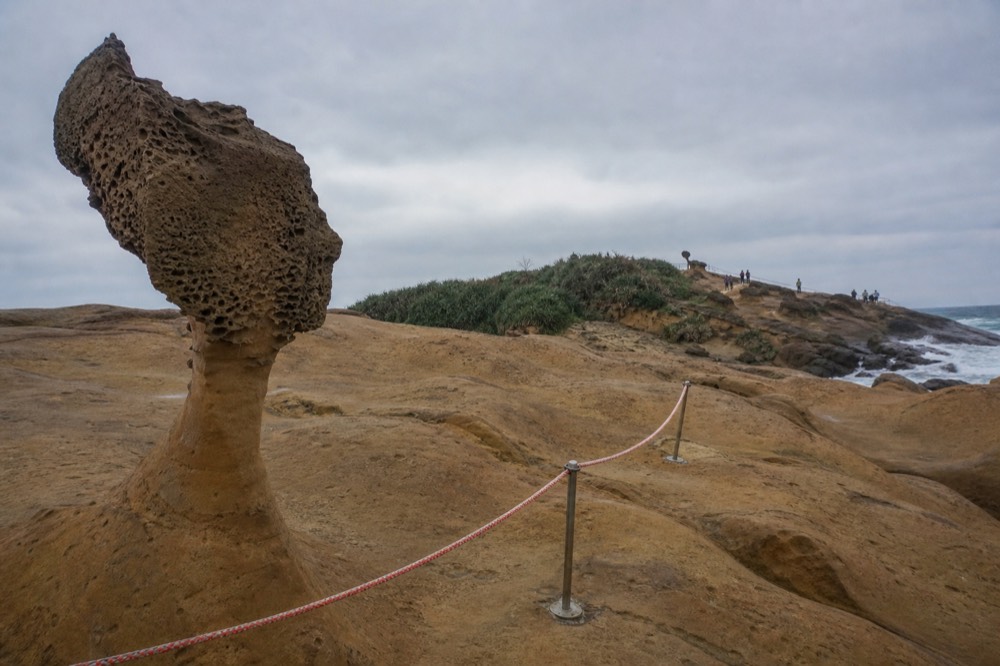
In practice the rules are simple to keep. Stay behind the safety lines, keep off the formations, leave the stones and shells where they lie, and smoke outside the park. The lines exist partly for the rock and partly for you: the platforms are wave-cut, they are wet more often than they look, and the sea reaches them in heavy weather. The park is genuinely family-friendly, but small children need watching near the edges rather than near the fines.
The enforcement culture is not aggressive, but it is real, and the signage repeats the numbers above at the entrances. A visitor who reads nothing else before arriving should read this section: the one behaviour that causes trouble, year after year, is people climbing onto the mushroom rocks for photographs. Every one of those photographs costs the formation a little of the surface that keeps it standing.
Planning the day around the cape is easier with a driver who already knows the parking and the timing, and the two-stop tour that includes hotel pickup is worth a look if that appeals.
What Is The Queen's Head And Why Go Sooner Rather Than Later?
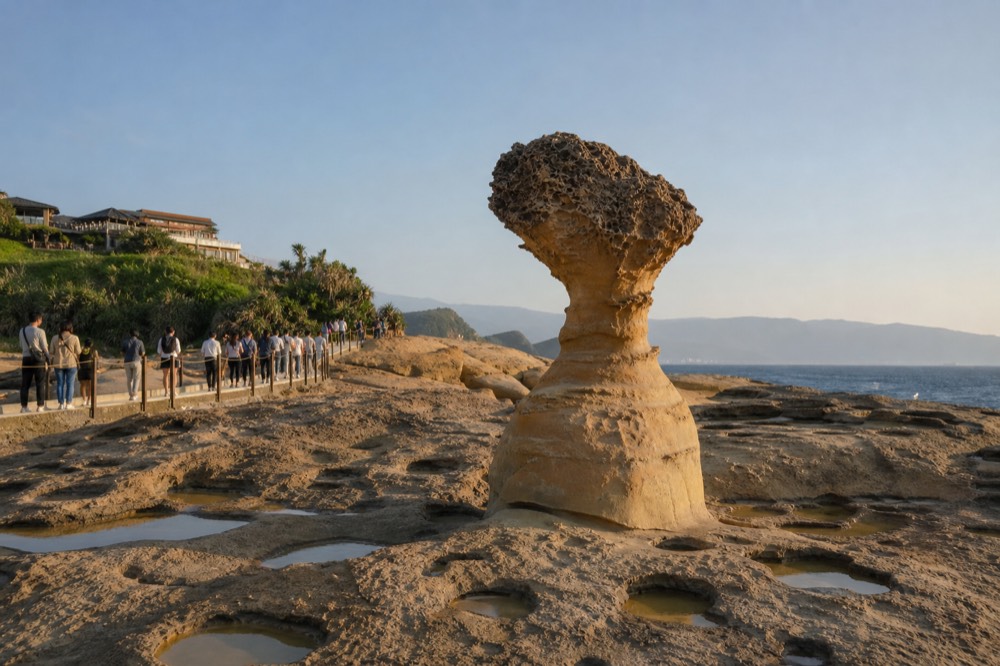
The Queen's Head is a mushroom rock whose neck, the narrow stem below the harder cap, has thinned from about 220 cm around in 1994 to 116.59 cm measured in October 2024, a loss of 103.41 cm over 31 years, roughly a centimetre a year, and the scenic area administration's own official, asked how much longer it can stand, said even specialists find it hard to forecast.
That measurement record is the real reason the park is in the news and the honest reason to treat a visit as time-sensitive without inventing a deadline. The October 2024 figure of 116.59 cm comes from the North Coast and Guanyinshan National Scenic Area Administration and was reported by both Liberty Times and UDN. The long-run series, where both papers agree, runs from about 220 cm in 1994 to about 130 cm in 2012, about 125 cm in 2018, and 116.59 cm in 2024. Two mid-2000s readings, about 136 cm in 2006 and 138.27 cm in 2008, each appear in only one of the two papers, so treat them as single-source.
| Year | Neck circumference | Carried by |
|---|---|---|
| 1994 | about 220 cm | both papers |
| 2006 | about 136 cm | UDN only |
| 2008 | 138.27 cm | Liberty Times only |
| 2012 | about 130 cm | both papers |
| 2018 | about 125 cm | both papers |
| October 2024 | 116.59 cm | both papers, attributed to the scenic area administration |
The context that brought the formation back into Taiwanese coverage is the Elephant Trunk Rock, whose trunk broke off in a heavy swell in October 2023. That loss was natural, sudden and unforecast, and it is the reason officials are careful with predictions. When Liberty Times asked the administration's Chen Yu-chuan how much longer the Queen's Head can last, his answer was that even specialists find it hard to forecast. This page will not sharpen that into a collapse year, because no honest source gives one. The administration commissions scholars to monitor the formation annually, which is where the numbers above come from.
What that means for a traveller is straightforward. The formation is not behind glass, it stands in the rock field with a queue for photographs beside it, and nothing on the official pages suggests imminent closure. But the trend is one-directional, the loss is measured rather than guessed, and the honest phrasing is "go within the next few years if the Queen's Head is your reason for the trip", not "it will fall in 20XX".
The reporting behind the series is worth citing directly: Liberty Times on the 116.59 cm measurement and UDN's follow-up report on the long-run erosion record.
How Does Yehliu Pair With Jiufen On One Day?
Yehliu and Jiufen pair naturally into a single day because they sit on the same north coast corridor, and the most common structure is the cape in the morning followed by Jiufen Old Street in the afternoon and early evening, which is exactly the itinerary of the site's strongest two-stop tour, from $23.55 per person, rated 4.6 across 1,070 reviews, with hotel pickup and free cancellation confirmed.
The logic of the pairing is partly light and partly crowds. The rock field is fully exposed, so the cape is better in the morning before the sun is high. Jiufen, by contrast, is a town that improves as the afternoon goes on, the lanterns follow sunset, and the street calms down after the day-trip wave leaves. Doing Yehliu first and Jiufen second uses both places at their best hours.
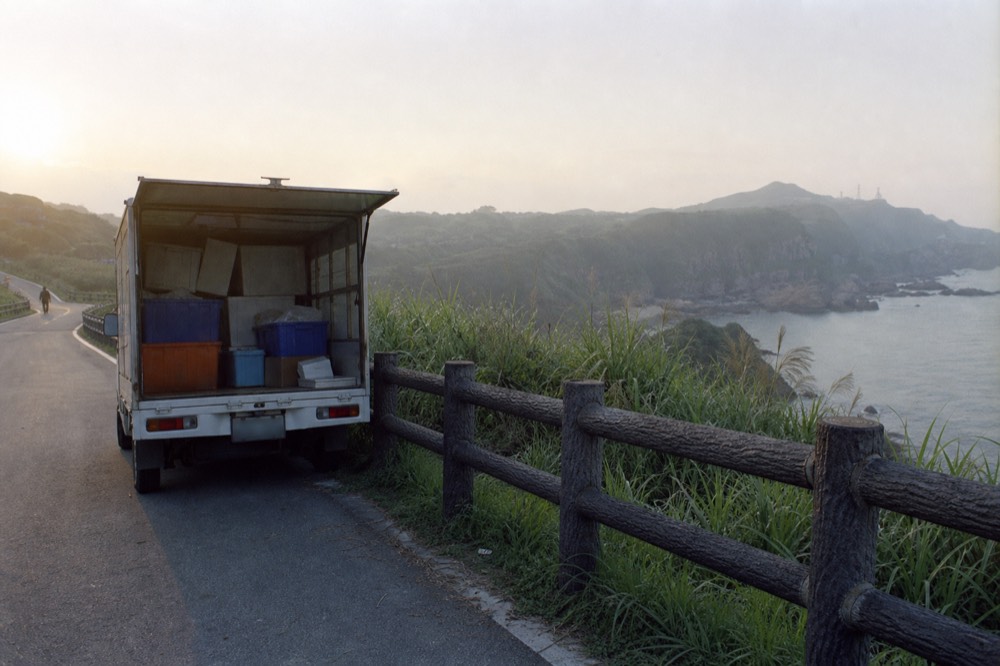
The two-stop full-day tour above is the unhurried option, and it is also the one with the cleanest proof on this site. If you want the same coast with more stops, there are fuller circuits that add Shifen and the Golden Waterfall, and there is a detailed itinerary discussion in pairing Jiufen and Shifen in one day. For the wider coastline, including Keelung, see the northeast coast circuit guide.
One caution about tour titles in this family: read the itinerary, not the name. One popular tour departing from Ximen has "Shifen" in its official title but does not go to Shifen at all, its own package and itinerary exclude it, and what it actually covers is Yehliu, the Tiaoshi coast, the Yin Yang Sea, the Golden Waterfall and Jiufen. It is a good tour, described honestly below, but anyone booking it for Shifen would be disappointed.
What Else Is On The North Coast Circuit?
The north coast circuit around Yehliu includes the Tiaoshi coast and its jumping stone beach, the Yin Yang Sea's two-tone water, the Golden Waterfall stained orange by old mine workings, and the Jinguashi hillside with its Gold Museum, several of which can be stacked with the cape and Jiufen into a single long day tour.
The Golden Waterfall's colour is iron staining from the old mine workings upstream, and visitors should view it from the path and not enter the water. The Yin Yang Sea, the bay where golden and blue water meet below the Jinguashi Thirteen-Level Ruins, is a viewpoint stop on most tours rather than a place you walk. The Gold Museum at Jinguashi charges NT$80 admission and is closed the first Monday of every month, a closure that catches out a surprising number of visitors. The details are in the Jinguashi and Golden Waterfall guide.
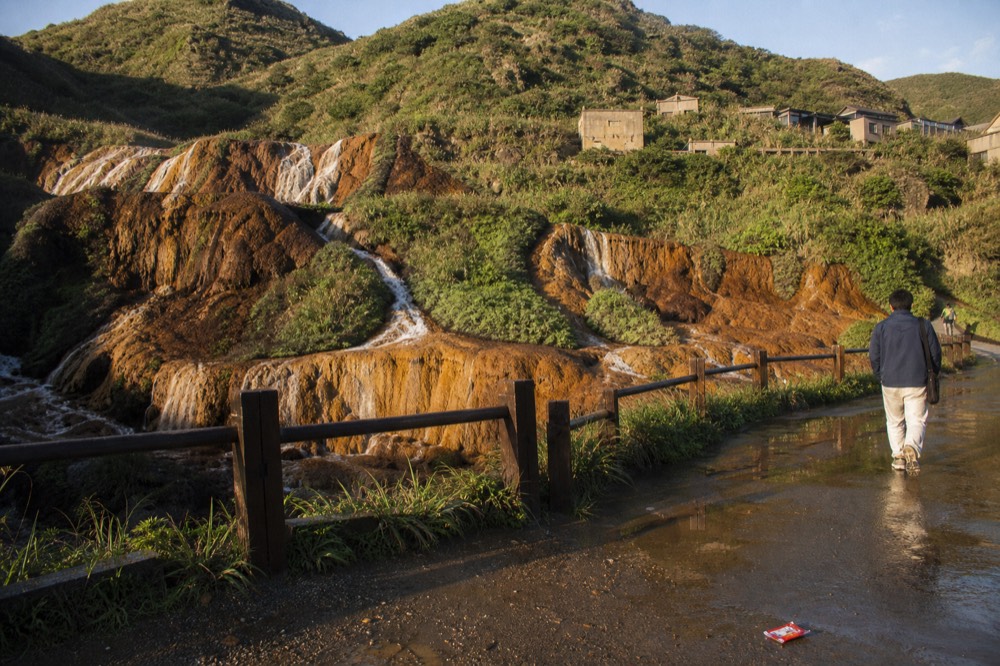
If you want the fullest version of the coast in one booked day, the small-group circuit that covers Yehliu, the Golden Waterfall, Jiufen, Shifen Waterfall and Shifen Old Street is the widest stop list on this site's shared tours, from $89.75 per person, rated 4.4 across 221 reviews, with hotel pickup and a guide, though it carries no free cancellation. Nine hours, five stops, no meal, so bring snacks.
When Is The Best Time Of Year To Visit Yehliu?
The driest months on this coast are July and August, which inverts the usual advice to avoid Taiwan in summer: the nearest weather station with 30-year records, over at Keelung, records 119.5 mm of rain across 8.5 rain days in July, against 396.9 mm in November, the wettest month, and September through February takes 61% of the year's rain.
There is no weather station at Yehliu itself, so the honest numbers are Keelung's, from the Central Weather Administration's 1991 to 2020 normals, and they describe the same windward coast. The pattern is the northeast monsoon: from September the wind drives rain at this shore for six months, and the coast's reputation for grey, drizzly weather comes from that season, not from tropical downpours. December averages just 48.5 sunshine hours for the whole month, about 1.6 hours a day.
| Month | Rainfall (mm) | Rain days | Sunshine (hours) |
|---|---|---|---|
| January | 327.8 | 19.6 | 52.6 |
| April | 211.1 | 16.0 | 91.2 |
| July | 119.5 | 8.5 | 229.2 |
| August | 211.4 | 11.6 | 208.2 |
| September | 390.1 | 15.2 | 147.4 |
| November | 396.9 | 18.6 | 65.3 |
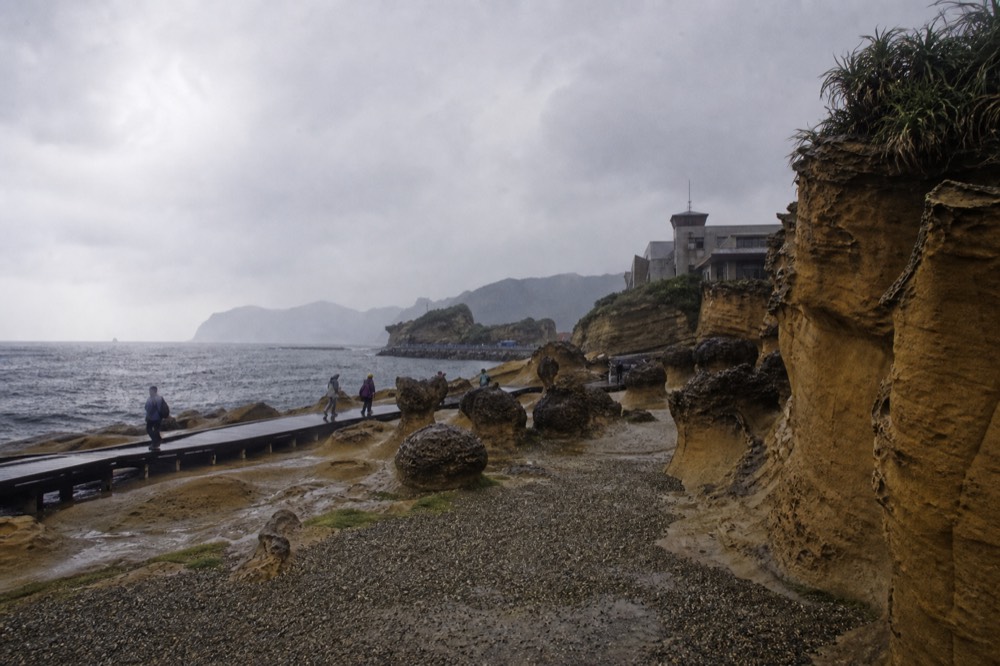
For photography rather than dryness, the honest answer is more nuanced. Grey monsoon weather gives the cape moody, layered photographs that blue-sky days do not, and the rock is wet and dark after rain in a way many photographers prefer. But the platforms are slippery, the wind is real, and the exposed walk is longer than it looks. If dryness and comfort are the priority, July and April are the two best windows; if atmosphere is the priority, any month works with a rain jacket and a spare hour.
Within the day, the timing advice from the hours section holds year-round: arrive at opening or in late afternoon, avoid the middle of the day in the warmer months, and remember that last entry is at the closing hour, so a 15:30 arrival still buys a full visit in the 17:00-closing season.
What Should You Know Before You Go?
Before you go: buy or budget for the NT$120 ticket, check the summer-hours question if your visit falls in the warm season, keep off the formations and behind the safety lines, bring sun protection because the cape has almost no shade, and if you are extending to Jinguashi, remember the Gold Museum closes the first Monday of every month.
A few practical points that do not fit the sections above. The park's address is 167-1 Gangdong Road, Yehliu Village, Wanli District, New Taipei City, and the published phone number is 02-2492-2016. This page deliberately does not quote bus routes, fares or journey times to Yehliu, because no verified operator-published figures for them were found, and repeating blog numbers would be guesswork. The same caution applies to taxi and transfer prices from Taipei: none is published in a checkable source here. If you are not driving, a booked tour with pickup is the simplest verified way to reach the cape, and the getting-there guide for Jiufen covers the rail side of the same corridor.
| Question | The verified answer |
|---|---|
| Adult ticket | NT$120 |
| Concession ticket | NT$60 (students with Taiwanese ID, children 6 to under 12, anyone 65+) |
| Group ticket | NT$96 per person, 30 or more |
| Opening hours | 08:00 to 17:00, extended to 18:00 in summer |
| Last entry | At the closing hour, not before it |
| Drone flying | Banned, NT$300,000 to NT$1,500,000 |
| Climbing the rocks | Up to NT$500,000 plus restoration, up to NT$5,000,000 more if unrepairable |
| Queen's Head neck, October 2024 | 116.59 cm, about 1 cm lost per year |
The park's own ticket page is the source for every figure in that table, and it is the one place to re-check prices and hours before you travel, because a park that publishes six-figure fines also revises its notices. For the town that pairs best with the cape afterwards, Jiufen Tour covers the old street, the teahouses and the evening lanterns in detail.
Whichever way you assemble the day, the cape rewards the early start. The Queen's Head has been standing for the whole history of tourism on this coast, and it is still standing now, but the ruler says it is a centimetre thinner every year, and nobody official will promise it the next decade.
The short answers: NT$120 for an adult, 08:00 to 17:00 with last entry at the closing hour, no climbing and no drones, and a Queen's Head that is still standing but thinning by about a centimetre a year, with no official forecast of how long it lasts.
Common Questions About Yehliu Geopark
How much is the entrance fee at Yehliu Geopark?
NT$120 for a general adult, NT$60 for a concession ticket covering students with a Taiwanese ID, children 6 to under 12 and anyone 65 or over, and NT$96 per person for a general group of 30 or more. Under-6s enter free, as do Wanli District residents, disability certificate holders plus a companion, and licensed guides with credentials.
What are Yehliu Geopark's opening hours?
08:00 to 17:00 year-round, extended to 08:00 to 18:00 in summer. The official page says "summer" without publishing a date range, so check the park's own ticket page before a warm-season visit. Last ticket and last entry are at the closing hour itself, not before it.
Can you climb on the rocks at Yehliu?
No. Climbing on or damaging the rock formations carries a fine of up to NT$500,000 plus restoration costs, and up to NT$5,000,000 more if the damage cannot be repaired, under Article 62 of the Tourism Development Act. Stay behind the safety lines, and leave rocks, shells, fossils and hermit crabs where they are.
How long will the Queen's Head last?
Nobody official will say. The scenic area administration's own official, asked how much longer it can stand, said even specialists find it hard to forecast. The neck measured 116.59 cm in October 2024 and is losing roughly 1 cm of circumference a year, so the honest advice is to go within the next few years if the formation is your main reason for visiting.
Can you fly a drone at Yehliu Geopark?
No. The park is a no-fly zone, and flying a drone there carries a fine of NT$300,000 to NT$1,500,000 under the Civil Aviation Act. Only government bodies, schools and legal persons on official business may apply for permission.
Is Yehliu worth combining with Jiufen?
Yes, it is the most common pairing on the north coast. The cape is best in the morning before the exposed rock field heats up, and Jiufen improves through the afternoon as the lanterns follow sunset, so Yehliu first and Jiufen second uses both at their best hours. A two-stop full-day tour with hotel pickup runs from $23.55 per person.