Jiufen And Shifen In One Day: The Timetable-Based Itinerary That Works
Yes, Jiufen and Shifen fit into one day, but only if you treat the Pingxi branch line timetable as the rule, not a suggestion. The line runs just 17 trains a day, no more on weekends, and getting stranded in Jiufen after dark is a real risk if you ignore the gaps. This timetable-first plan, by train, by bus, or by tour, shows you exactly how to do both without missing the last connection home.
Short answer
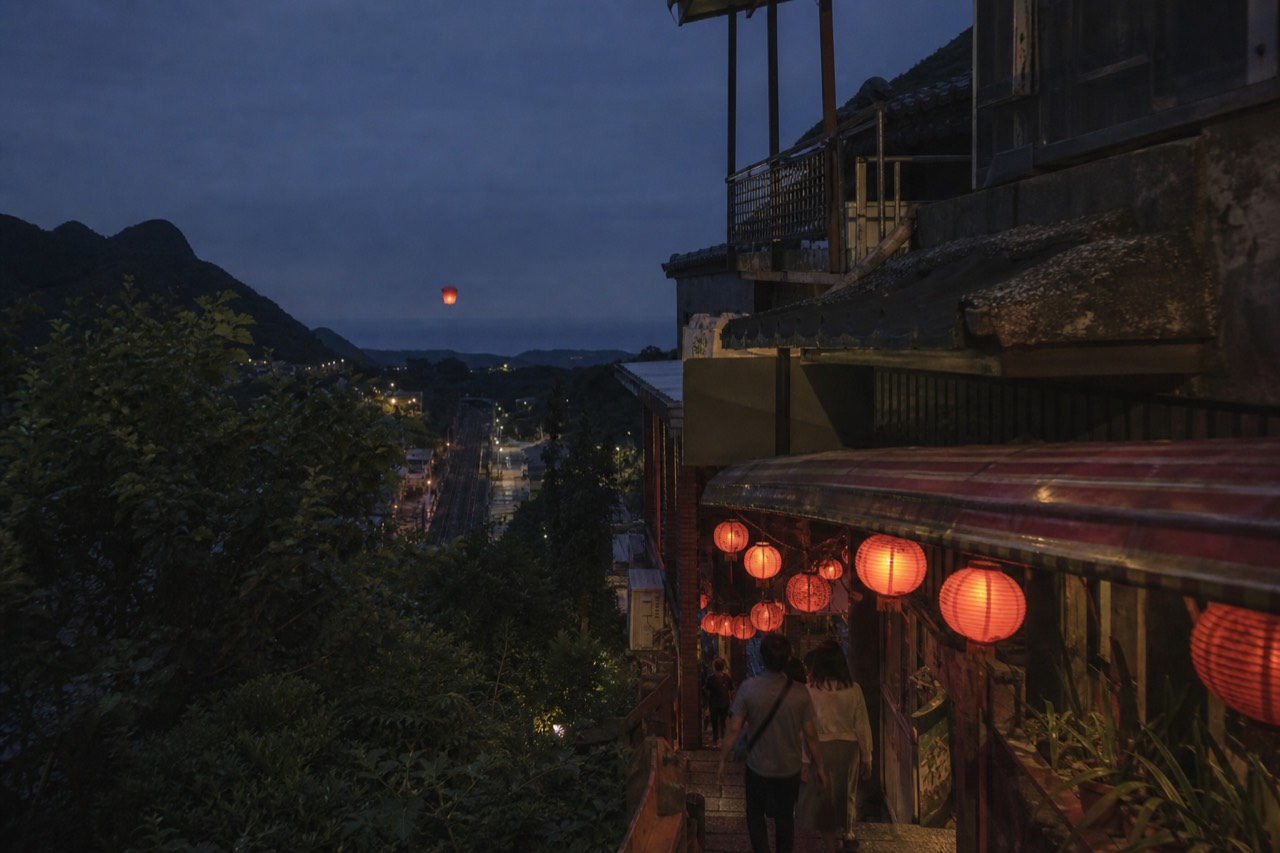
Yes, you can visit Jiufen and Shifen in one day if you start early, head to Shifen first on the Pingxi branch train from Ruifang, and move to Jiufen for the late afternoon and evening. The branch runs only 17 trains a day with a 1h39m gap after 16:54, so the safe route puts Shifen in the morning and Jiufen later, when lanterns come on. A tour that handles the Ruifang change saves the timetable stress entirely.
Can You Really Do Jiufen And Shifen In One Day?
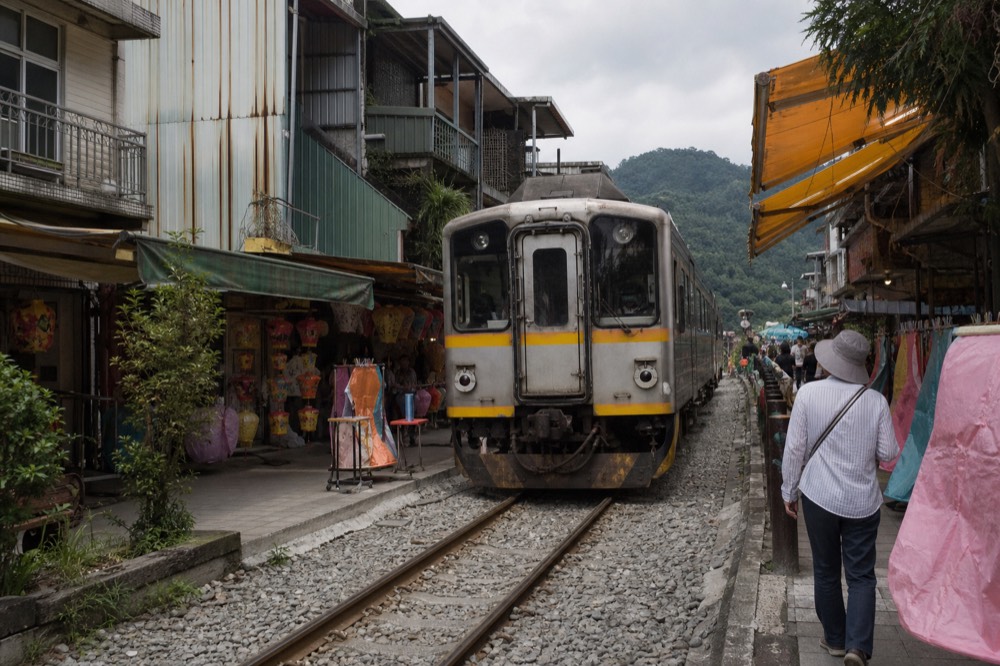
Yes, you can cover both towns in a single day, but the day’s shape is determined entirely by the Pingxi branch line: it operates only 17 trains a day from Ruifang to Shifen, with a 1h39m gap after 16:54 and a limited 22:20 last departure. Early start, Shifen first, Jiufen second, and a plan to be back at Ruifang before the thin evening services is the schedule that works. Joining a tour removes the transfer timing entirely.
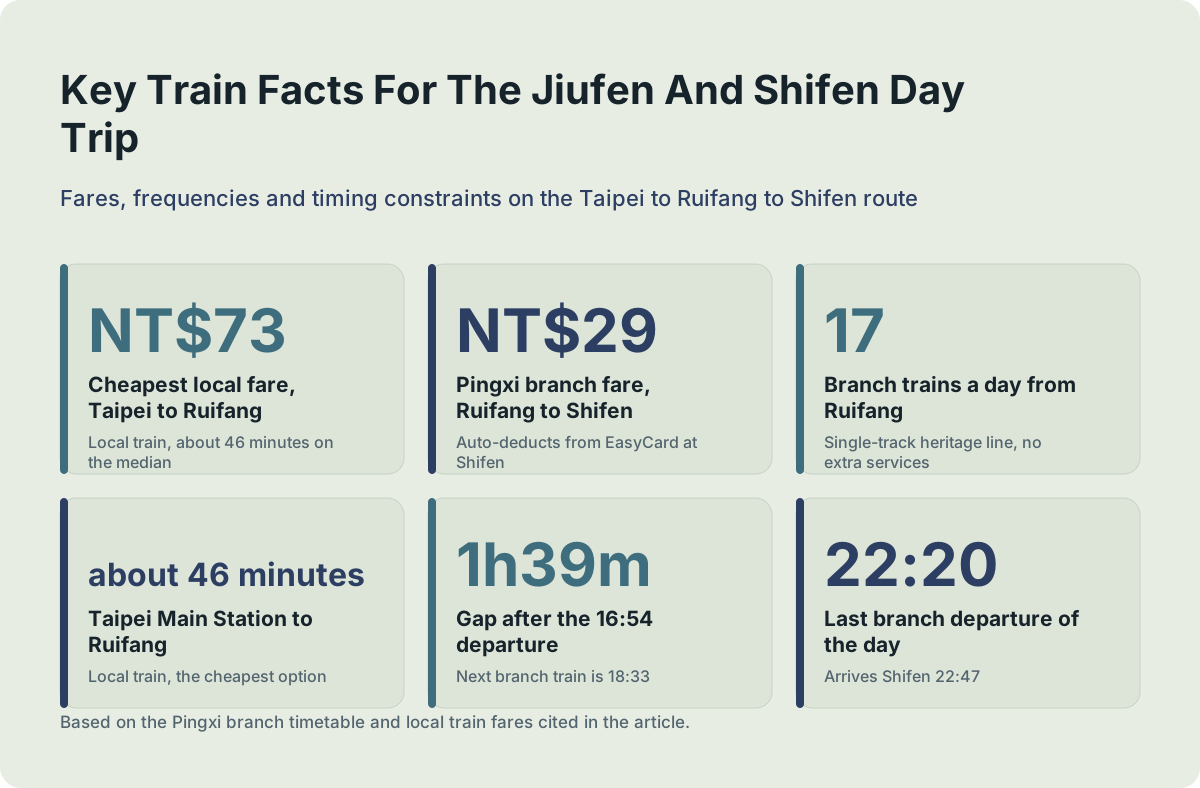
The distance is not the problem. Taipei Main Station to Ruifang takes about 46 minutes on a local train, and Ruifang to Shifen adds another 27 to 32 minutes on the branch. The issue is connecting the two legs. The branch is a single-track heritage line with no room for extra services, and the schedule is identical on a Saturday and a Monday. If you misjudge the return, you can end up stuck in Shifen with no train for nearly two hours, or in Jiufen without a bus or rail connection until late.
The most reliable self-guided plan runs Shifen in the morning, Houtong or the waterfall by midday, then Jiufen from mid-afternoon into the evening. The branch line is thickest between 07:12 and 16:54, and if you leave Shifen by the 15:59 or 16:54 departure, you can be in Jiufen by about 17:30, right as the red lanterns begin to glow. The alternative, Jiufen first and Shifen later, gives you only three usable trains after lunch (14:00, 15:00, 15:59) and a single service after 16:54 that often arrives at Shifen around 17:20, which feels rushed.
Should You Visit Shifen Or Jiufen First?
Visit Shifen first, then Jiufen. The branch line’s morning and early-afternoon departures are dense enough to give you flexibility, and arriving in Jiufen as the sun sets puts you on the hill when the lanterns are lit, the day-tripping crowds have thinned, and the teahouses are at their most atmospheric. The reverse order leaves you reliant on the branch line’s two thin post-4pm gaps and risks a rushed Shifen stop.
The logic is simple: the branch runs 17 trains a day and the departure pattern bunches roughly hourly between 09:04 and 15:59, with a final usable service at 16:54. If you go to Jiufen first, you’ll need to leave Jiufen by about 13:00 to catch a train at 14:00 or 15:00, which means you see Jiufen in bright sun, miss dusk, and still have only a few hours in Shifen before the long gap hits. The timetable itself argues for the Shifen-first order.
The one caveat is that Shifen Old Street and the waterfall are outdoor activities; they’re best in the late morning when the light is good for photographing the waterfall and the shops are all open. Leaving Taipei around 07:30 gets you to Shifen by 09:30 to 10:00, and you can release a lantern, walk to the waterfall, and have lunch before taking the 13:00 or 14:00 train back to Ruifang and connecting to Jiufen. The combined travel time, including the change at Ruifang, is about 46 minutes to Ruifang plus 27 to 32 minutes to Shifen, roughly an hour and a quarter to an hour and twenty minutes. The fares are NT$73 to Ruifang and NT$29 to Shifen, both payable with an EasyCard.
| Order | Morning | Afternoon | Evening | Bottleneck risk |
|---|---|---|---|---|
| Shifen first, Jiufen second | Train to Shifen 09:04 or later; lanterns, waterfall, lunch | Branch train back to Ruifang 13:00 to 15:00; local train to Jiufen (bus 788 or 827) | Jiufen Old Street 16:30 onwards, teahouse until 21:00 | Low: you leave Shifen before the long gaps; return from Jiufen by bus 788 (runs until 22:30) |
| Jiufen first, Shifen second | Train to Ruifang, bus to Jiufen; old street and teahouse | Leave Jiufen by 13:00, train to Shifen 14:00 to 15:00 | Shifen Old Street and waterfall until 16:54 train; the next is 18:33 | High: you may have only 1h30 in Shifen; missing the 16:54 means a long wait or missing dinner |
This logic holds whether you take the train, a bus, or a tour. The only variable is that a tour removes the Ruifang change and the need to watch a timetable at all.
How To Get From Taipei To Shifen And Jiufen By Train
Taipei Main Station to Ruifang takes 45 to 47 direct services a day, a 32- to 68-minute journey, and the cheapest local fare is NT$73. From Ruifang, the Pingxi branch runs 17 trains to Shifen (fare NT$29, 27 to 32 minutes). There is no direct train from Taipei to Shifen; you must change at Ruifang, and the station connection is a same-platform walk onto the branch line.
The train is the most predictable way to reach both towns, because the timetable is fixed and the Ruifang interchange is straightforward. Take any northbound local, fast local, Chu-Kuang or Tze-Chiang train to Ruifang Station; the journey times vary, but the local train (the cheapest option) takes about 46 minutes on the median and costs NT$73. The express Puyuma service saves about 13 minutes and costs NT$114, but the price premium is rarely worth it for a day trip.
At Ruifang, follow the signs to the Pingxi line platform. It’s a short walk within the station, and no second ticket is needed if you use an EasyCard; the fare automatically deducts when you tap out at Shifen. The branch trains are small, typically three or four carriages, and can be standing-room only on weekends, so arriving early for the 07:12 or 07:55 departure gives you a seat and a fuller morning.
The branch timetable matters more than anything else on this day. The 17 departures from Ruifang toward Shifen and Jingtong are:
| Departure | Arrival Shifen | Journey | Note |
|---|---|---|---|
| 05:07 | 05:34 | 27 min | Earliest; good for sunrise photographers |
| 06:26 | 06:53 | 27 min | Quiet; shops not open yet |
| 07:12 | 07:39 | 27 min | Good starting train for a full day |
| 07:55 | 08:22 | 27 min | Also solid |
| 09:04 | 09:31 | 27 min | Comfortable; Shifen shops open by now |
| 09:57 | 10:24 | 27 min | |
| 10:55 | 11:22 | 27 min | |
| 11:55 | 12:22 | 27 min | |
| 13:00 | 13:27 | 27 min | Useful return train from Shifen |
| 14:00 | 14:27 | 27 min | |
| 15:00 | 15:27 | 27 min | |
| 15:59 | 16:26 | 27 min | |
| 16:54 | 17:21 | 27 min | Last train before the 1h39m gap |
| 18:33 | 19:00 | 27 min | Long gap after 16:54 |
| 19:22 | 19:49 | 27 min | Another 1h44m gap after this |
| 21:06 | 21:33 | 27 min | |
| 22:20 | 22:47 | 27 min | Last train; tight for dinner in Jiufen |
The return from Jiufen to Taipei is simpler: bus 788 runs from Jinguashi past Jiufen Old Street down to Keelung and connects back to Taipei, with the last service from the Jiufen area around 22:30. From Ruifang, the last Taipei-bound train leaves at 23:29 and reaches Taipei Main Station at 00:08. So you can stay in Jiufen until about 21:00, catch a bus or a taxi down to Ruifang, and still make the train. The branch line is the pinch point, not the main line.
If the branch line timetable sounds like something you’d rather skip, a half-day or full-day tour removes the entire transfer puzzle and drops you back in Taipei by evening without a single clock-watch.
What To Do At Shifen Before Heading To Jiufen
Shifen offers two main draws: the waterfall and the sky lanterns released directly on the railway tracks. The Shifen Waterfall, a short walk from the station, is Taiwan's largest curtain-type waterfall. Lanterns can only be released in the permitted zone along County Road 106 near the station, regulated by New Taipei City law, and every lantern must carry the seller’s name and address.
After alighting at Shifen Station around 09:00 to 10:00, head first to the Shifen Waterfall, reached along the tracks and a footpath. It’s a wide, horseshoe-shaped drop that is often called Taiwan’s Niagara, a nickname that, while inflated, captures the breadth. The wooden viewing platform gives a head-on view, and the morning light is ideal for photographs. There’s no entrance fee.
Back on the old street, the main activity is releasing a sky lantern. The New Taipei City Sky Lantern Release Management Measures, in force since 2011, ban lantern releases everywhere in the city except one marked stretch in Pingxi District, from the Shifen Visitor Center to Shigong Bridge within 200 metres of the Keelung River. Shops line the tracks, and you pick a lantern, paint your wishes, and send it up from the middle of the railway. The lanterns must meet a legal specification: base 60 to 70cm, height 130 to 140cm, weight under 300g, and fuel a kerosene-soybean oil mixture. No official lantern price is published, so check the shop board when you arrive; shops are required by law to display safety notices and label each lantern with the seller’s name and address, a detail that few English sources mention but that is written into the 2011 measures.
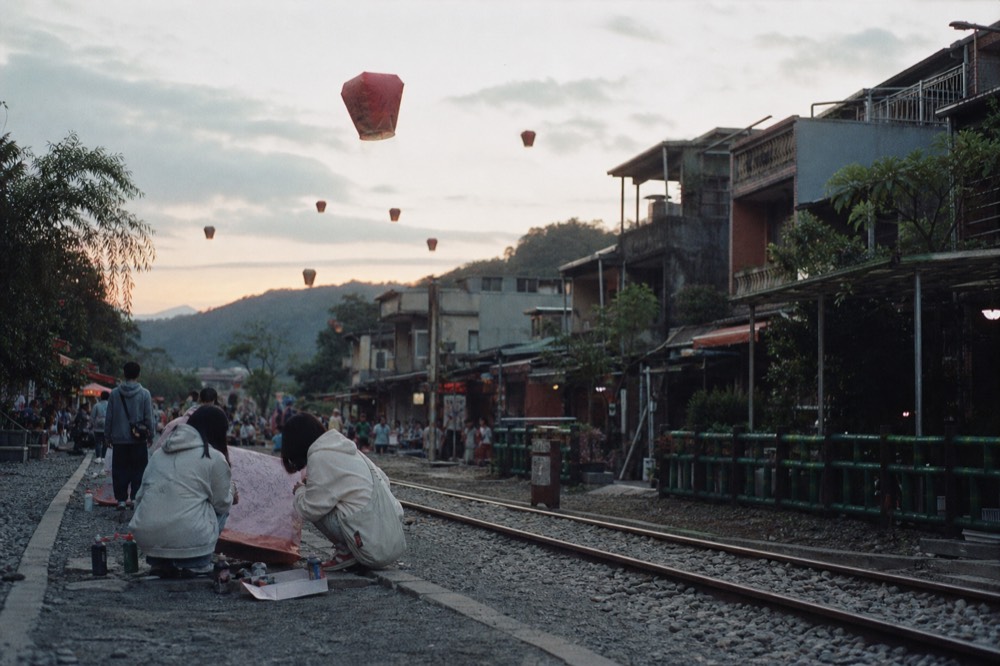
You can also ride the branch line one stop further to Jingtong, a quieter old mining settlement, but that takes at least an extra hour and eats into the Jiufen half of the day. Most visitors can comfortably see the waterfall, release a lantern, and eat a simple lunch at one of the track-side snack stalls by 13:00, giving a clean exit on the 13:00 or 14:00 train back to Ruifang.
The doing-Shifen-first plan also avoids the heaviest weekend crowding. The branch train arriving at 09:04 brings many day trippers, but the mass of coach and car visitors doesn’t arrive until 10:30 or later, so those first two hours are the calmest window. After 11:00, the streets around the station can feel packed.
What To Do At Jiufen In The Evening
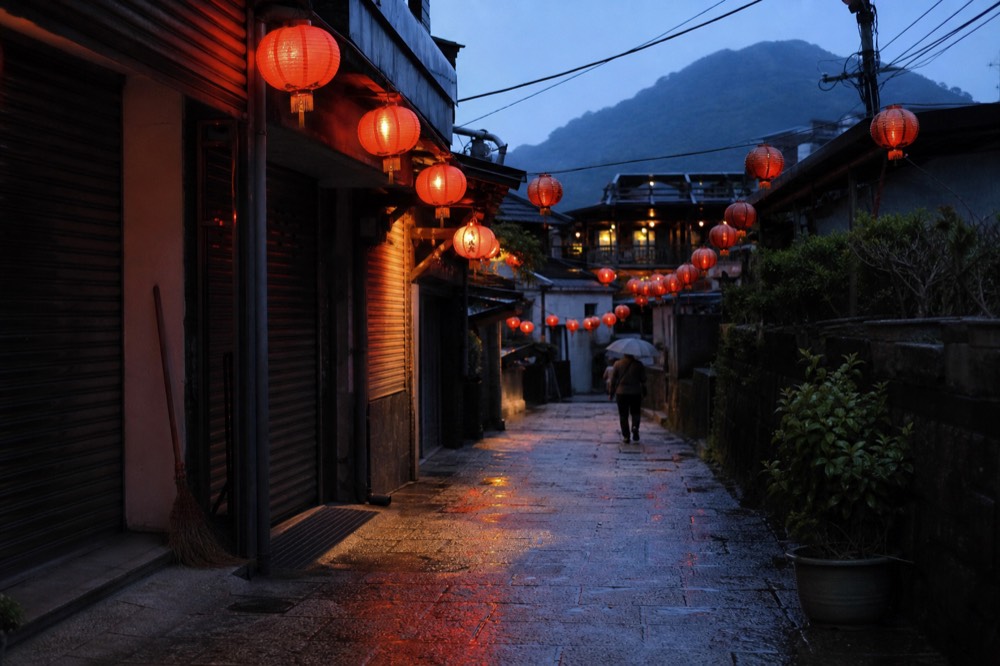
Jiufen’s best hours are the late afternoon and evening, when the tour buses have mostly departed, the red lanterns warm the stepped lanes, and the teahouses welcome lingering guests. Shuqi Road, the famous staircase, empties out after 17:00, and A-Mei Tea House, the town’s most recognisable teahouse, serves tea until 21:30 with a minimum spend of NT$700 for two people sharing the cheapest pot.
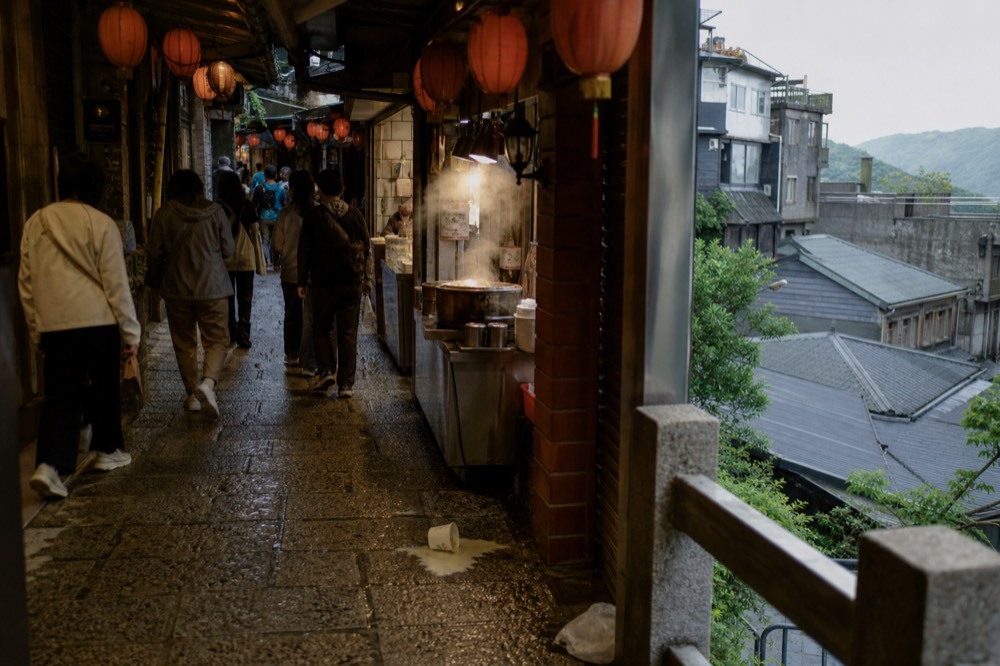
Jiufen Old Street’s shops, clustered on Jishan Street and the vertical Shuqi Road, operate on an informal rhythm, with most stalls opening around 10:00 and closing between 18:00 and 20:00. Because you’ll arrive mid- to late afternoon, you’ll have two or three hours to wander before the shutters start coming down, which is exactly enough. Jishan Street, the main horizontal lane, runs from the bus stop at one end to the viewing platform at the other, and it’s dense with food stalls: taro balls, fish balls, and glutinous rice cakes are the classics. Try a bowl of taro balls at one of the vendors, but skip a full dinner there; the teahouses offer a more memorable meal.
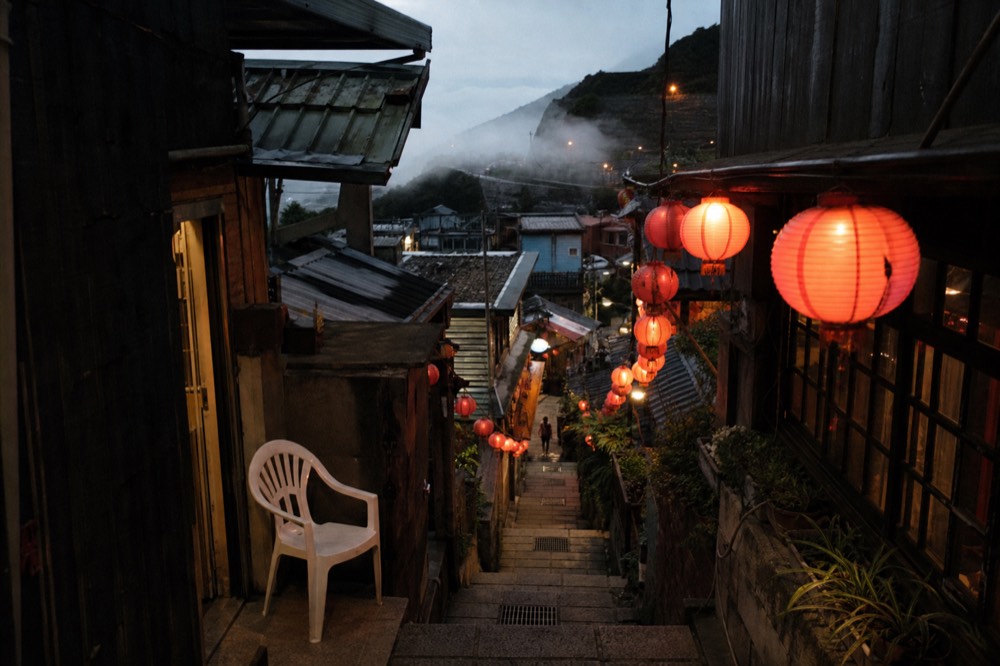
A-Mei Tea House, at No. 20 Shixia Lane, is the teahouse that appears on every postcard. It operates on a tea-water fee of NT$100 per person, and the cheapest pot of leaves is NT$500, so two people pay NT$700 before food. Set meals run NT$300 to 350 between 10:30 and 13:30 only, but the tea-and-snack set at NT$350 per person is available all day. Reserve a window seat if you can, but even a chair on the upper terrace gives you the view over the hill and the sea without the queue. The teahouse’s own opening hours are 09:00 to 21:30 every day.
Beyond A-Mei, the flat lane Qingbian Road runs parallel to Jishan Street. It’s the bed of a 1931 human-powered light railway that once moved ore and supplies, and that history explains why it is the only level route through town while Shuqi Road is pure stairs. Walking Qingbian Road gives you a quiet, car-free stretch with glimpses of the old mine tailings and, in the evening, the sound of the teahouse chatter drifting down from the hill.
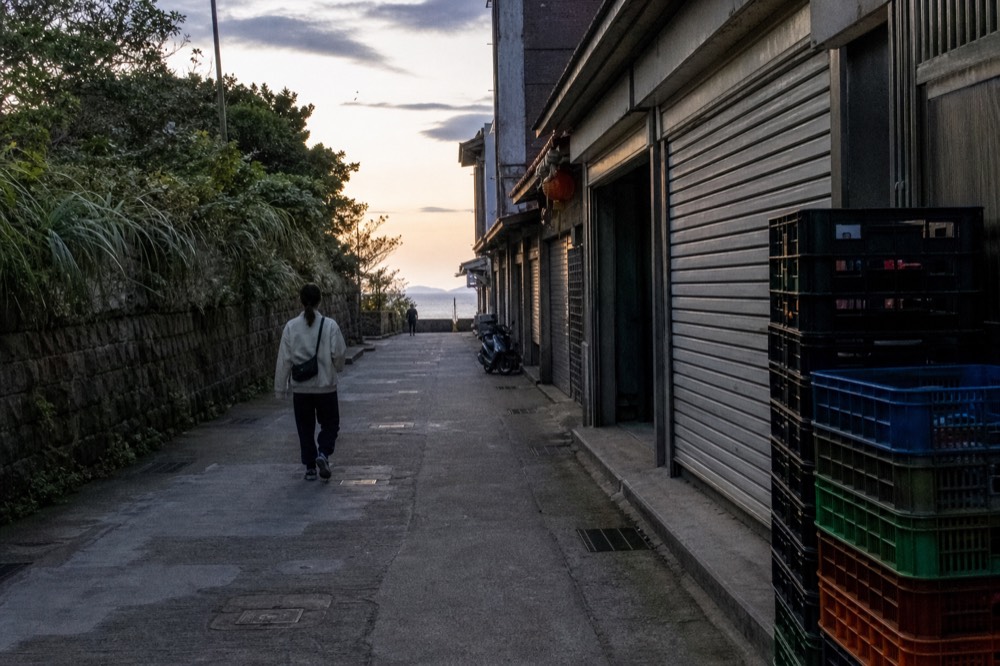
For a fuller look at the old street and its food, the site’s guide on Jiufen Tour covers the town’s layout and the teahouses in depth.
Which Tours Cover Both Jiufen And Shifen?
Six tours on the site’s roster reach both Jiufen and Shifen, and they range from a compact half-day group run (5 hours, from $68 per person) to private car trips staying 7 to 8 hours. Not every product that mentions “Jiufen” or “Shifen” in its title actually visits both; two listings with “Pingxi” in the name stop at Shifen, not Pingxi town, and one tour that names Shifen in its title does not include it in the itinerary.
When you’re choosing a tour, the checklist is simple: look for both Jiufen Old Street and Shifen Old Street (or Shifen Waterfall) in the stop list. The roster item jiufen-and-shifen-half-day-tour covers Shifen Old Street, Golden Waterfall, Yin Yang Sea and Jiufen Old Street in five hours, the shortest bookable option that hits the two main stops. The jiufen-shifen-taiwan-charm-day-tour spends a full eight hours and includes lunch, a guided walk, and hotel pickup. The 7-hour-join-tour-jiufen-village-shifen-town does exactly what its name says and is priced from $42.40.
Three private tours also cover both towns: private-day-trip-jiufen-shifen-yehliu-park adds Yehliu Geopark, while jiufen-shifen-private-day-trip-with-driver (per group of up to four) offers a driver-guide and refreshments for $237, which works out cheaper per person than most group tours for a family of four. The jiufen-shifen-houtong-cat-village-private-tour adds Houtong Cat Village to a 7-hour itinerary.
Six products reach Jiufen without reaching Shifen, including the single-stop jiufen-in-depth-half-day-tour, so if your goal is both towns, check the stop list carefully. The roster also includes several Yehliu-Jiufen-Shifen combos that add the geopark, but those stretch the day to 9 or 10 hours and change the pace; the Yehliu Geopark guide covers those options.
| Tour (slug) | Duration | Stops that include both | Price from (per person) | Type |
|---|---|---|---|---|
| jiufen-and-shifen-half-day-tour | 5 h | Shifen Old St, Golden Waterfall, Yin Yang Sea, Jiufen Old St | $68 | Group |
| 7-hour-join-tour-jiufen-village-shifen-town | 7 h | Shifen Old St, Shifen Waterfall, Jiufen Old St | $42.40 | Group |
| jiufen-shifen-taiwan-charm-day-tour | 8 h | Golden Waterfall, Yin Yang Sea, Shifen Old St, Jiufen Old St | $168 | Group, lunch incl |
| jiufen-shifen-private-day-trip-with-driver | 8 h | Shifen Waterfall, Shifen Old St, Jiufen Old St | $237 (per group of 4) | Private, driver-guide |
| private-day-trip-jiufen-shifen-yehliu-park | 8 to 9 h | Yehliu, Shifen Waterfall, Jiufen Old St | $190 | Private |
| jiufen-shifen-houtong-cat-village-private-tour | 7 h | Shifen Waterfall, Shifen Old St, Houtong, Jiufen Old St | $99 | Private |
How Much Does A Jiufen And Shifen Day Tour Cost?
Group tours that cover both towns start at $42.40 per person for a 7-hour join-in, with half-day versions from $68. Private tours begin at $99 for a 7-hour group of any size, while a private car with driver for up to four costs a flat $237, which breaks down to under $60 per person for a family of four, less than many group tours.
The price spread is wide because the tours bundle different inclusions. The cheapest group option, the 7-hour join tour at $42.40, covers the essentials: Shifen Old Street, the waterfall, and Jiufen Old Street, with a guide but no meal or pickup. The half-day tour at $68 packs the same two towns into five hours, trading time for pace. At the upper end, the Taiwan Charm Day Tour at $168 includes lunch, hotel pickup, and a guided walk, making it a full-service day.
The hidden value sits in the private options. The $237 private driver tour is priced per group of up to four, not per person. That means four people pay under $60 each, which is cheaper than most group tours and gives you a dedicated vehicle that can adjust the route. For a couple, the $99 private Jiufen-Shifen-Houtong tour is a better fit, adding the cat village without pushing the price above $100 per person.
The site’s most popular tour that adds Yehliu, yehliu-jiufen-shifen-golden-waterfall-day-tour, is priced from $20.29 per person at its current sale rate and carries 47,355 reviews; it’s the best-proofed product on the whole roster and the natural upgrade if you want three stops. But that tour is a full 7h15 to 9h45, and it doesn’t linger in either town. A dedicated Jiufen-and-Shifen-only tour gives you more time in the two places that justify the day trip.
Is It Better To DIY Or Join A Tour?
A self-guided train day costs NT$73 each way to Ruifang and NT$29 each way on the branch, giving you complete freedom at the price of watching the timetable. A tour removes the Ruifang change, the branch-line gaps, and the weekend traffic controls, and it often includes a lantern release, a meal, or a guide. For most first-time visitors, especially on a weekend, the tour is the smarter bet.
The DIY approach works well on a weekday if you enjoy train travel and don’t mind a schedule. You can leave Taipei at 08:00, reach Shifen by 10:00, see the waterfall, release a lantern, take the 13:00 branch train back, reach Jiufen by 14:30, and stay until dark. The total cost is under NT$300 plus food and the lantern. But if it rains, which it does on 193.6 days a year at the Keelung weather station, the nearest official station to Jiufen, the outdoor segments become a slog, and the branch line platform offers no shelter.
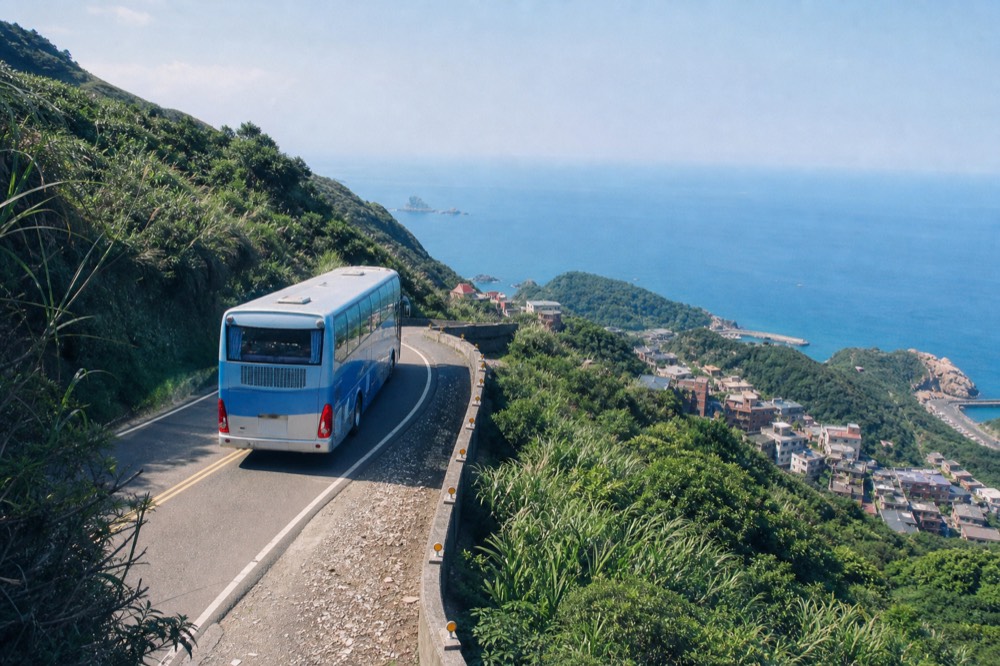
On weekends and public holidays, the problem multiplies. New Taipei City’s traffic control plan, in effect from 1 January 2025, turns Jiufen into a managed-access destination between 08:00 and 20:00. Coaches must apply in advance to the Ruifang Police Precinct, only 40 coach slots are approved per day (split morning and afternoon), and applications are refused entirely during three-day holiday runs. The stretch from Jiufen Police Station to the Quanjitang car park is officially designated a dangerous, accident-prone section, and large coaches that lack a permit must drop passengers at the New No. 9 car park, where a shuttle takes over. The train, meanwhile, runs exactly 17 branch services regardless of demand. That means the streets are full, the branch trains are packed, and the tour buses that do get through are pre-vetted.
A tour booked for a weekend skips the whole queue because the operator has already applied for a slot or will use a small vehicle that isn’t subject to the coach ban. The tour also bundles the lantern release, so you aren’t paying separately. And because the guide knows the branch line timetable cold, there’s no risk of a 1h39m wait on a dark platform.
The one scenario where DIY clearly wins is a calm weekday: the branch train won’t be standing-room-only, the town won’t be under traffic control, and you can stretch the evening in Jiufen without worrying about the bus gap. For that, the train guide and the old street guide fill in the details.
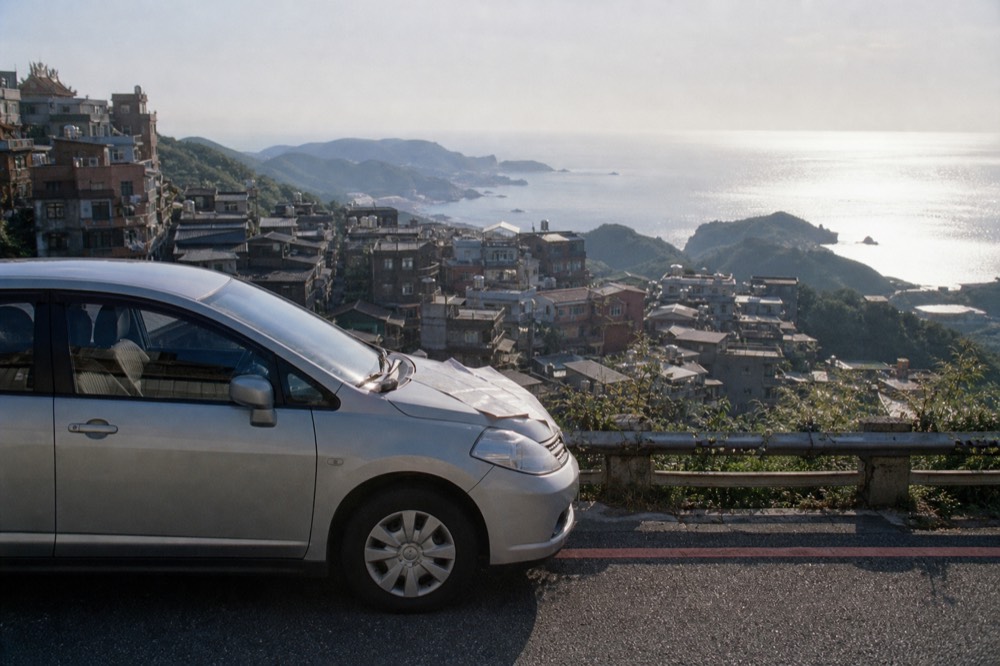
Practical Tips For A Smooth Jiufen-And-Shifen Day
Bring a lightweight rain jacket (the Keelung area records 3,589.7 mm of rain a year, 54% more than Taipei), charge your EasyCard with at least NT$300 to cover all rail fares, and avoid the first Monday of the month if you plan to add the Gold Museum in Jinguashi, it closes on that day.
The weather here rewards preparation. The driest month is July (119.5 mm and 8.5 rain days), but September through November delivers the northeast monsoon and the wettest stretch of the year. A sudden shower can turn the pavement on Jishan Street into a river within minutes, so closed shoes and a waterproof shell are worth the space.
EasyCard works on all TRA services, the Pingxi branch, and the Gold Museum ticket counter, but it is not accepted at food stalls on either old street. Carry a few hundred Taiwan dollars in cash for snacks and the lantern vendor. There is no ATM on the old street itself, and while there are convenience stores near the 7-Eleven at the Jiufen bus stop, relying on them for cash on a busy Saturday is a gamble.
If you choose to extend the day beyond the two towns, Jinguashi’s Gold Museum makes a strong addition. It costs NT$80, takes two to three hours, and closes at 17:00 on weekdays (18:00 on weekends and holidays). But it is closed on the first Monday of every month, and that one detail catches more visitors than any other. Check the calendar before you build it into the plan. The Jinguashi guide covers the museum and the Golden Waterfall.
| Train class | Full fare (NT$) | Concession (NT$) |
|---|---|---|
| Local / Fast Local | 73 | 37 |
| Chu-Kuang | 87 | 44 |
| Tze-Chiang / Puyuma | 114 | 57 |
| Time block | Trains per hour (approx.) | Risk of long wait |
|---|---|---|
| 05:00 to 09:00 | 4 | Low |
| 09:00 to 16:00 | 1 to 2 | Moderate (hourly gaps) |
| 16:54 to 18:33 | 0 | High (1h39m gap) |
| 18:33 to 22:20 | 2 | High (1h44m gap after 19:22) |
Common Questions About Visiting Jiufen And Shifen In One Day
Is there a direct train from Taipei to Shifen?
No. All trains to Shifen require a change at Ruifang Station onto the Pingxi branch line. The branch fare is NT$29, and the journey from Ruifang takes 27 to 32 minutes.
What time do the lanterns turn on in Jiufen?
The red lanterns are switched on around dusk, which varies from about 17:30 in summer to roughly 17:00 in winter. There is no official switch-on time; it follows sunset.
How much does a sky lantern cost in Shifen?
No official price is published. Lantern shops on the trackside display their rates on a board, and the law requires every lantern to carry the seller’s name and address. Check the board when you arrive.
Is it better to visit on a weekday or weekend?
A weekday gives you a quieter old street, no traffic control in Jiufen, and branch-line trains that aren’t standing-room-only. A weekend brings the full atmosphere but also the coach rationing, crowds, and the risk of long waits on the platform.
Can I fit Yehliu Geopark into the same day?
Yes, but only with a multi-stop tour or a very early start. The three-stop day typically starts with Yehliu at 08:00, moves to Shifen by midday, and finishes in Jiufen by dusk, returning to Taipei by 19:30 or later.